
Find Lafayette Residents by Record
Lafayette residents appear in records because of a specific event or public duty, not because one office keeps a master list. A property owner appears in Beacon, the Treasurer tax search, and perhaps a deed. A registered voter can confirm personal status through IndianaVoters. A party to a public court case may appear in MyCase. Renters and people who have not created those records can remain absent. Start with the source that matches the question, then use a second source to confirm identity, date, and place.
A name alone is weak evidence. Common names, initials, spelling changes, and old addresses cause false matches. An exact street address is often the best path into Lafayette's parcel systems. For an older household, search a dated city directory, census schedule, obituary index, or deed book. Keep a note of the date searched and whether each result is an index, an image, or a certified record.
- Check the county parcel and tax systems by owner name or property address.
- Use the Indiana voter-status form only to verify one known voter.
- Move an owner name into the Recorder index to find recorded deeds and liens.
- For past residents, compare a directory year with census, newspaper, and probate sources.
- Request a named record from its city or county custodian when no public index exists.
Lafayette Resident Records Offices
Tippecanoe County divides resident records by function. The Recorder keeps deeds, mortgages, easements, assumed business names, and other recorded instruments. The Assessor connects parcels with ownership and assessment data, while the Election Board administers registration records. These offices sit close together, but their indexes are not interchangeable. A deed party may not occupy the property, and a tax mailing address may differ from the parcel's situs address, meaning the place where the parcel is physically located. The detailed address workflow belongs in the Lafayette street directory.
Tippecanoe County Recorder
20 N 3rd Street, 2nd Floor
Lafayette, IN 47901
765-423-9352
Tippecanoe Election Board
20 N 3rd Street
Lafayette, IN 47901
765-423-9303
Search Lafayette Parcels First
The county links the Schneider Beacon property search as the public route into assessment and tax information. Use it to establish the parcel, owner name, assessed characteristics, and tax context before drawing any conclusion about who lives at the address. A parcel is a legal unit of land identified for tax and mapping purposes. It can contain more than one dwelling, and the named owner may live elsewhere.
The county also provides public assessment computers in the Auditor's second-floor office at 20 N 3rd Street. That counter route matters when Beacon is unavailable or an older card is not visible online. The county GIS and assessor page warns that map information is reference material. Confirm title through the Recorder and tax details through the Treasurer.
The Beacon source page is visible in the captured interface below. It is the start of a Lafayette residents directory search by address, not proof that the displayed owner occupies the site.
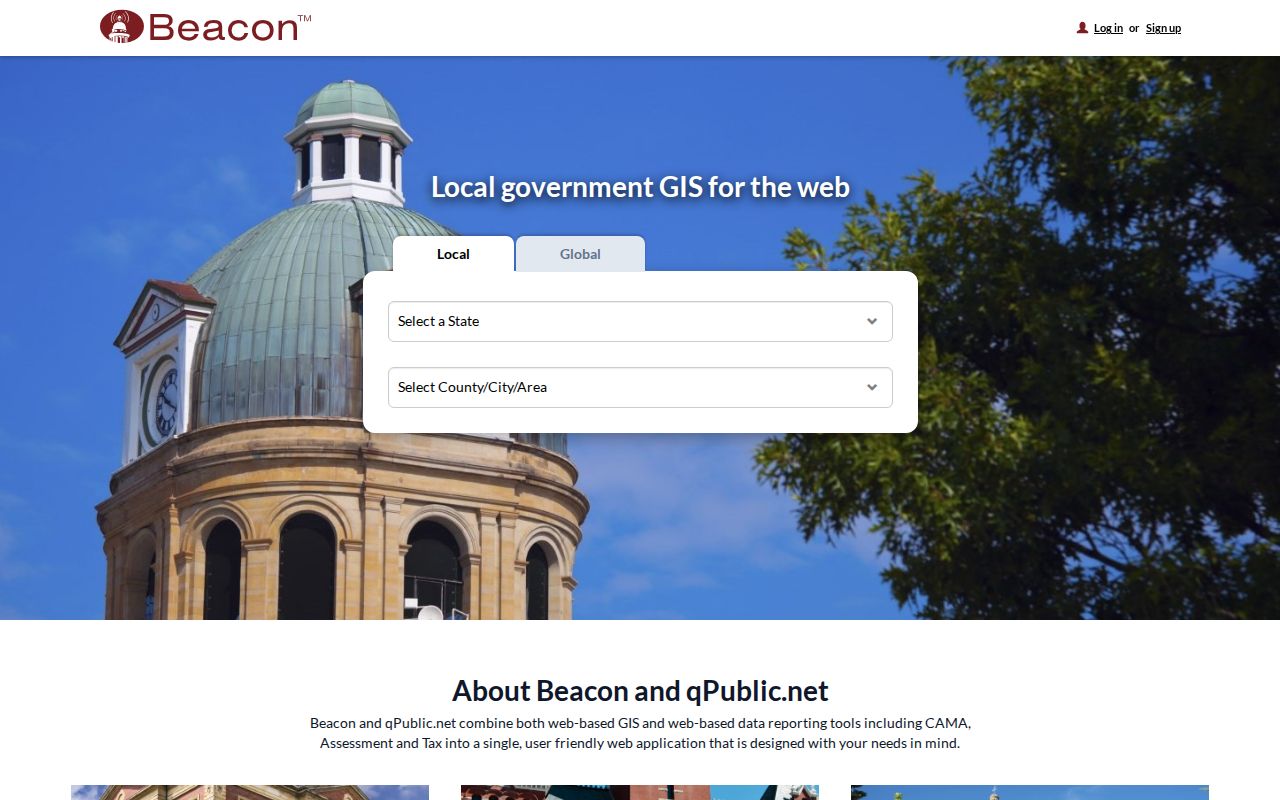
Save the parcel number and exact situs address from the result. Those two fields make later tax and deed checks far more precise.
Current Lafayette Resident Rolls
Modern Lafayette resident directories are really a set of limited official indexes. Each one lists people only within its public purpose. Property systems focus on owners and tax accounts. The voter form verifies an individual with personal details. The Recorder identifies parties to instruments, and city permit files may name applicants, owners, or contractors associated with an address. None should be treated as a live list of every adult in a household.
| Source | Who It Lists | Keeper | Access |
|---|---|---|---|
| Beacon and tax account | Parcel owners | Assessor and Treasurer | Free online or public computer |
| Indiana voter status | One registered voter | Election Board and state | Controlled online form |
| Recorder index | Parties to recorded instruments | County Recorder | Tapestry, Laredo, or counter |
| Permit and inspection files | Applicants and property contacts | City departments | Portal or APRA request |
| MyCase | Parties in public court cases | Indiana courts | Free public index |
Choose by fact, not convenience. Use the parcel roll for ownership, the Recorder for title documents, MyCase for a court docket, and the voter form for the known voter who can supply the required identity details. The Lafayette resident lookup sets out the one-person verification route without turning unrelated records into a profile.
Read Lafayette Tax Results Carefully
The Tippecanoe Treasurer search accepts a parcel number, owner name, tax year, or property address. Its result is a tax-account snapshot. The inspected sample fields included district, parcel, owner name, property address, mailing address, assessed value, tax, payments, and balance. Those fields help reconcile similar names and distinguish the property location from the address used for mail.
| Search field | How to use it |
|---|---|
| Parcel number | Best exact bridge from Beacon or GIS |
| Name | Search the tax account holder, then compare address |
| Tax year | Keep the result tied to a dated roll |
| Property address | Find accounts linked to a known Lafayette site |
Do not equate the taxpayer with every resident. A trust, business, estate, or nonoccupant owner at another mailing address may hold the parcel. The tax search is strongest when paired with the parcel map and a recorded deed.
Trace Lafayette Owners in Deeds
The Tippecanoe County Recorder identifies deeds, mortgages, easements, assumed business names, and federal tax liens among its public record groups. The public page states that online data and images begin January 16, 1970. The Laredo subscription agreement states that images reach back to 1826, so the two access routes should not be described as one uniform online run.
Grantor means the person transferring an interest; grantee means the person receiving it. Search both roles when following a chain of title. Tapestry is priced by search, while Laredo uses subscription plans. The Recorder will not search by address or key number over the phone. For a copy request, supply a recording number or book and page. Counter, mailed-copy, library, and microfilm routes fill the gaps when a web index does not.
The Recorder's official access page below helps separate public-office copy service from private deed-copy solicitations.
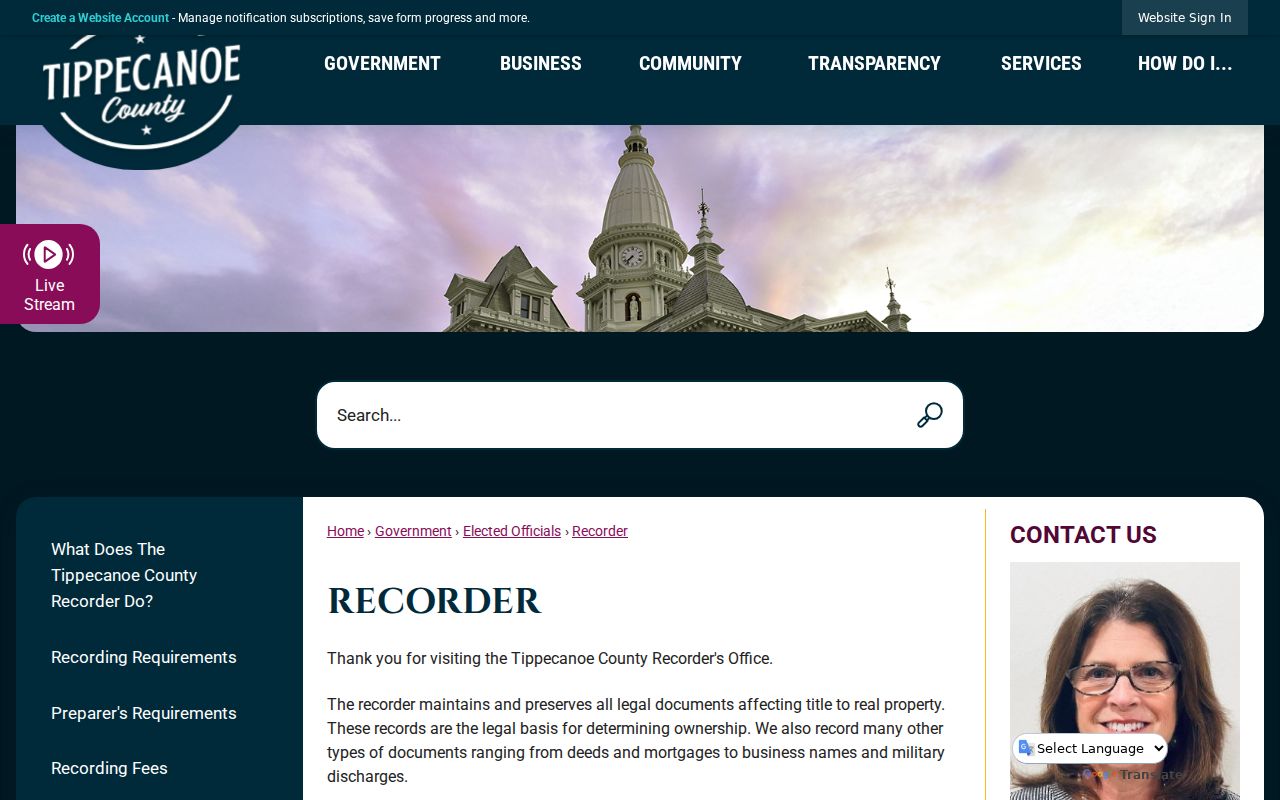
The county warns that private offers may charge far more than a copy obtained from the public office. Verify the document reference before paying.
Verify Lafayette Voter Status
IndianaVoters is a one-person status check, not a public street roster. The form asks for first name, last name, date of birth, and county. A successful match can show registration status, polling information, and county contact details. Use it only when the person can lawfully supply the required facts, and do not interpret no match as proof that someone does not live in Lafayette.
A fuller voter-file request follows the state's VRG-24 process and carries limits on confidential fields, transfer, and solicitation. Indiana's Address Confidentiality Program can protect the name, address, phone number, and identifying information of an enrolled voter. In August 2026, the Election Office also warned of fake registration texts and emails. The office does not ask for personal information, passwords, or payment through those messages.
The official voter screen shown here is the safe entry point.
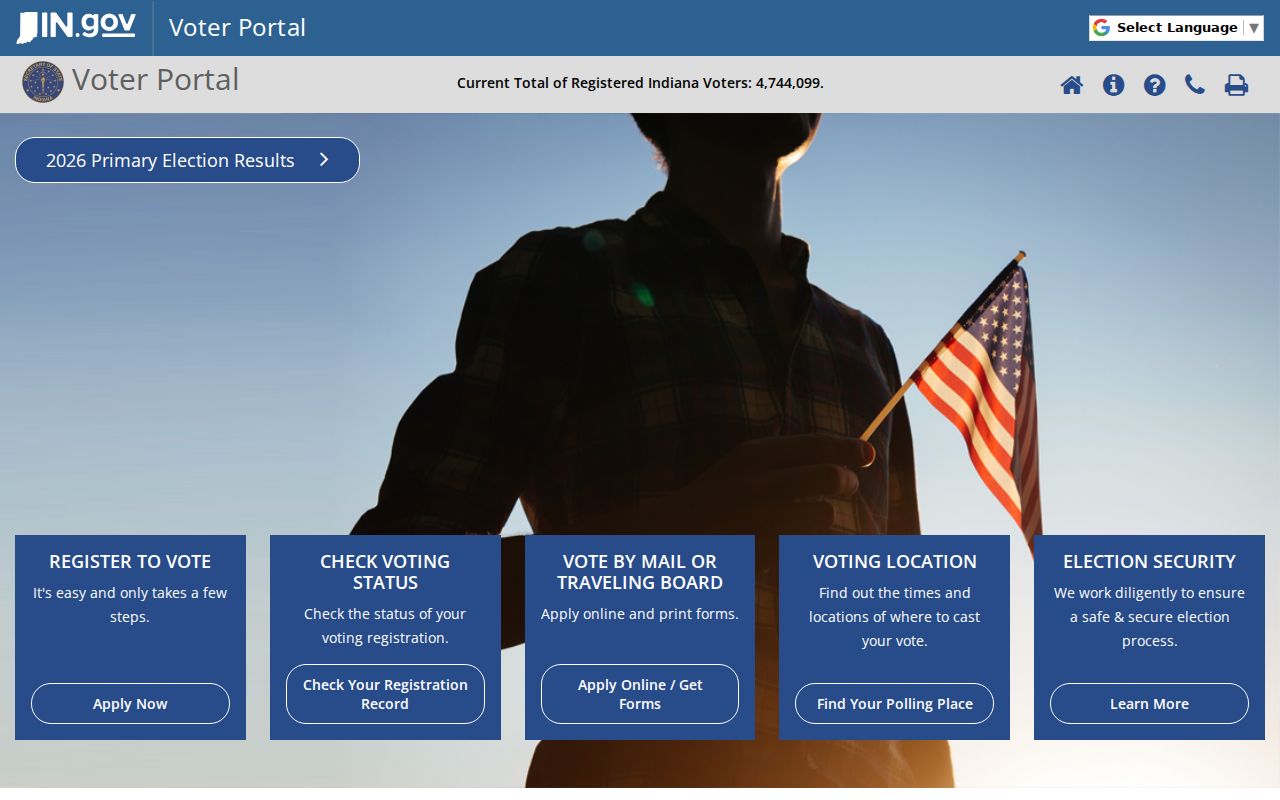
Type the official address yourself or call the Election Board. Never follow a payment link from an unsolicited message.
Check Lafayette Court Names
Indiana MyCase searches public, nonconfidential court cases by case, name, or attorney. Name controls support sounds-like matching and official search tips describe a trailing wildcard. Results can be limited by court and filing date, but the system caps broad results. A name hit is an index lead, not proof of Lafayette residence.
Read the docket, which is the dated list of events in a case, and note the disposition, court, case number, filing date, and party role. Tippecanoe Circuit and Superior courts moved into Odyssey on different dates from 2016 through 2019, while the city court followed in 2020. Older files and documents that are not online may require the Clerk at 301 Main Street, a mailed request, or library research.
The public MyCase interface illustrates the available search modes.
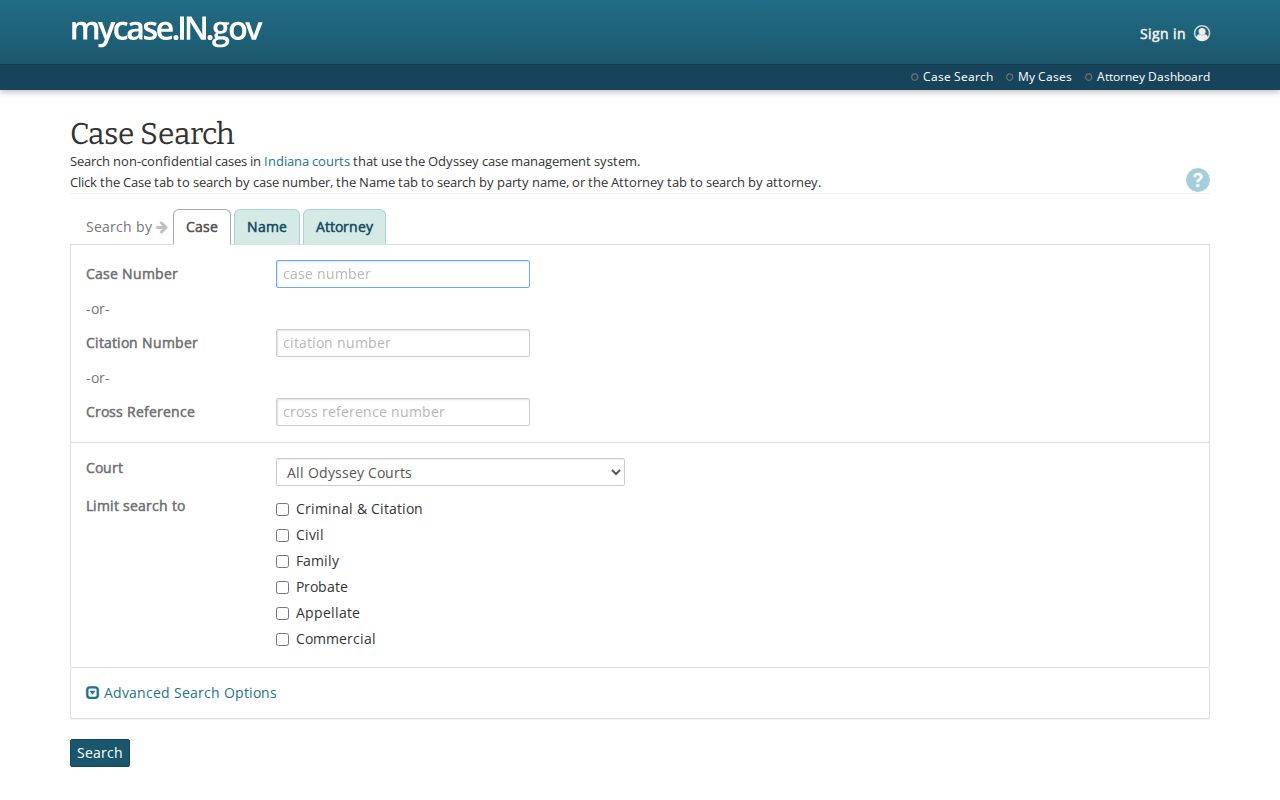
Compare any court match with independent dates and addresses. Do not merge people merely because their names look alike.
Request Offline Lafayette Records
Indiana's Access to Public Records Act, IC 5-14-3, opens agency records unless a statute permits or requires withholding. It does not require an office to create a new resident list. Ask for an existing report, index extract, permit, map, email set, or document image. Name the department, record type, date range, address or person, and preferred format.
Tippecanoe County uses its public-record request hub and form. Lafayette sends general city requests through NextRequest and police material through a separate police portal. Written and online requests receive acknowledgment within seven calendar days. An in-person or telephone request must be acknowledged within 24 hours. Production may take a reasonable time, and the custodian may assess copy charges or redact exempt information.
The Lafayette routing screen below shows where city and police requests split.

A narrow request is easier to search and review. If denied, save the written reason and the law cited by the custodian.
Lafayette Records Terms Explained
Several record terms look alike but carry different weight. Keeping them separate prevents an index entry from becoming an unsupported claim about a household.
- Roll
- A dated official list created for a specific purpose, such as tax or voter administration.
- Index
- A finding aid that points to a record; it may not reproduce the full document.
- Parcel
- A mapped unit of land with its own tax and legal identifier.
- Criss-cross directory
- A directory arranged by street and house number so an address leads to a named occupant.
Official rolls usually show who was recorded for one purpose at one point in time. Commercial people-finder products combine data from many sources, may lag behind, and often hide provenance. They should not replace a current custodian record.
| Source type | Strength | Main limit |
|---|---|---|
| Official roll or index | Named keeper and record purpose | Not a full household list |
| Library directory | Dated historical snapshot | Coverage gaps and abbreviations |
| Commercial finder category | May suggest a lead | Unknown update date and mixed sources |
Protect Lafayette Resident Privacy
Public access has firm boundaries. Recent birth and death certificates require the relationship or legal interest set by Tippecanoe Vital Records and Indiana health rules. Juvenile, sealed, expunged, adoption, and some protection-order materials do not appear in ordinary court results. Driver and vehicle data is not a public residents directory. Voter-file access also excludes or limits protected fields.
Lawful use. Use Lafayette records for personal research, family history, civic questions, or correcting your own information. Never use them to stalk, threaten, or harm anyone.
Indiana's Address Confidentiality Program gives eligible survivors a substitute mailing address and can flag a voter record confidential. An absent address can therefore reflect a legal safeguard. Respect redaction. Do not try to rebuild protected information through other portals.
Follow Lafayette Address Changes
An address can change while the place stays put. Lafayette's official history records the growth of a river, canal, rail, and industrial city whose street references shifted over time. The railroad relocation that began in the 1970s and ended in 2003 altered the context around crossings and parcels. In 2010, parts of County Roads 350S, 475E, and 500E took the name Veterans Memorial Parkway. Search both the former and current street descriptions when records fall on either side of a change.
Neighborhood names add another layer. The city lists places such as Ninth Street Hill, Centennial, Downtown, Hanna, Historic Jeff, Lincoln, Wabash, and Wallace Triangle. Those names are useful search terms for archives and newspapers, but they are not legal parcel lines. A single Lafayette site may have a postal ZIP, GIS address point, tax situs, subdivision, precinct, township, and historical neighborhood label at once.
For city permit and inspection files, Citizen Self Service searches by a house number and street name or by an application reference. The city instructions say to omit street type and direction from the street-name field. If the portal does not expose the needed file, request the existing permit or inspection record through the responsible city department.
Note: Preserve each address label with its record date instead of forcing old and new descriptions into one modern form.
Historical Lafayette Resident Directories
Lafayette's historical shelf extends beyond one printed run. The Indiana State Library county guide lists deed, probate, WPA vital indexes, newspapers, directories, and microfilm. Tippecanoe County Public Library adds census film, newspapers, obituary and cemetery indexes, yearbooks, and lookup help. The Tippecanoe County Historical Association holds alphabetical and criss-cross directories, manuscript collections, maps, and local archives. A digitized 1945 telephone directory at Indiana Memory provides a free dated subscriber snapshot.
Use a directory entry for what it says: a name, address, occupation, spouse notation, phone, or business at the time of publication. It may omit renters, people without phones, rural households, or anyone between editions. The missing 1890 federal census makes Lafayette city directories, deeds, tax records, newspapers, and probate especially useful substitutes. Former place labels such as Chauncey, Elston, Linnwood, West Lafayette, and rural routes can also change the search terms needed.
For the full collection years, publishers, abbreviations, and reading method, use the Lafayette city directories collection guide. Historical institutions hold finding aids and scans, while the Recorder, Clerk, and Health Department remain custodians of originals or certified copies.